The endocannabinoid system is in every human
Your body has its own cannabinoid system. It uses receptors (CB1 and CB2) and natural messengers to help balance mood, appetite, pain, sleep, and immune response.
A plain-English guide to the plant: cannabinoids, terpenes, the endocannabinoid system, and safe use. Every claim links to a primary source: NIH, NCCIH, CDC, FDA, NHTSA, or state and territorial cannabis regulators.
Educational content compiled from third-party sources. Not medical advice. DankPickz does not verify, endorse, or assume liability for the accuracy of third-party research. Consult a licensed healthcare provider before making decisions about cannabis use.
01 · Basics
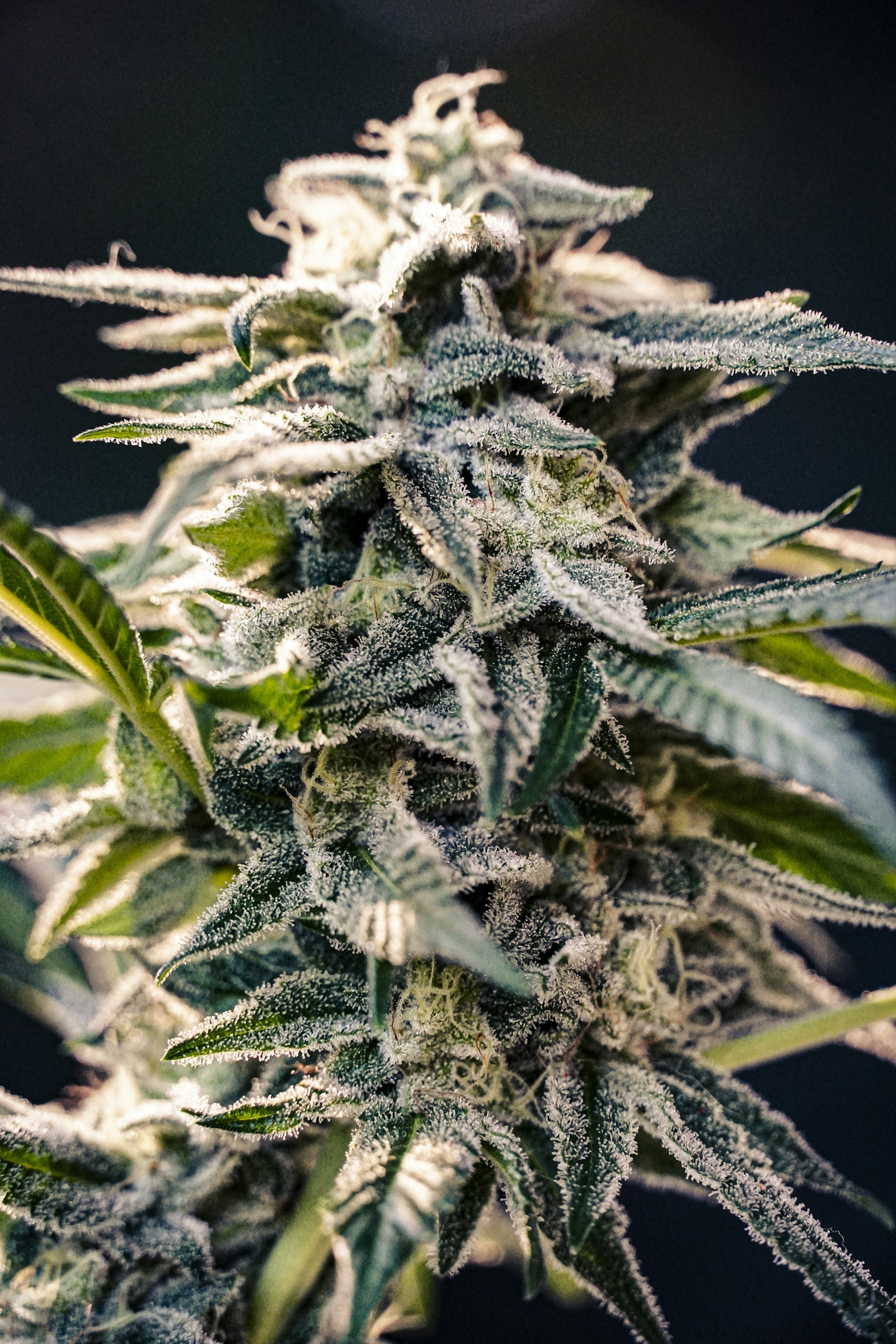
Cannabis is a flowering plant with 100+ cannabinoids and 150+ terpenes. Different strains have different chemistry, which is why they feel different from each other.
Your body has its own cannabinoid system with receptors called CB1 and CB2. It helps balance mood, appetite, pain, sleep, and immune response. Cannabis works because it plugs into a system you already have.
The old indica vs sativa labels don't reliably predict how a strain feels anymore. Look at the actual cannabinoid and terpene profile instead.
The idea that cannabinoids and terpenes work better together than any single one on its own. Still being studied, but it helps explain why whole-plant products often feel different from pure THC.
02 · Cannabinoids
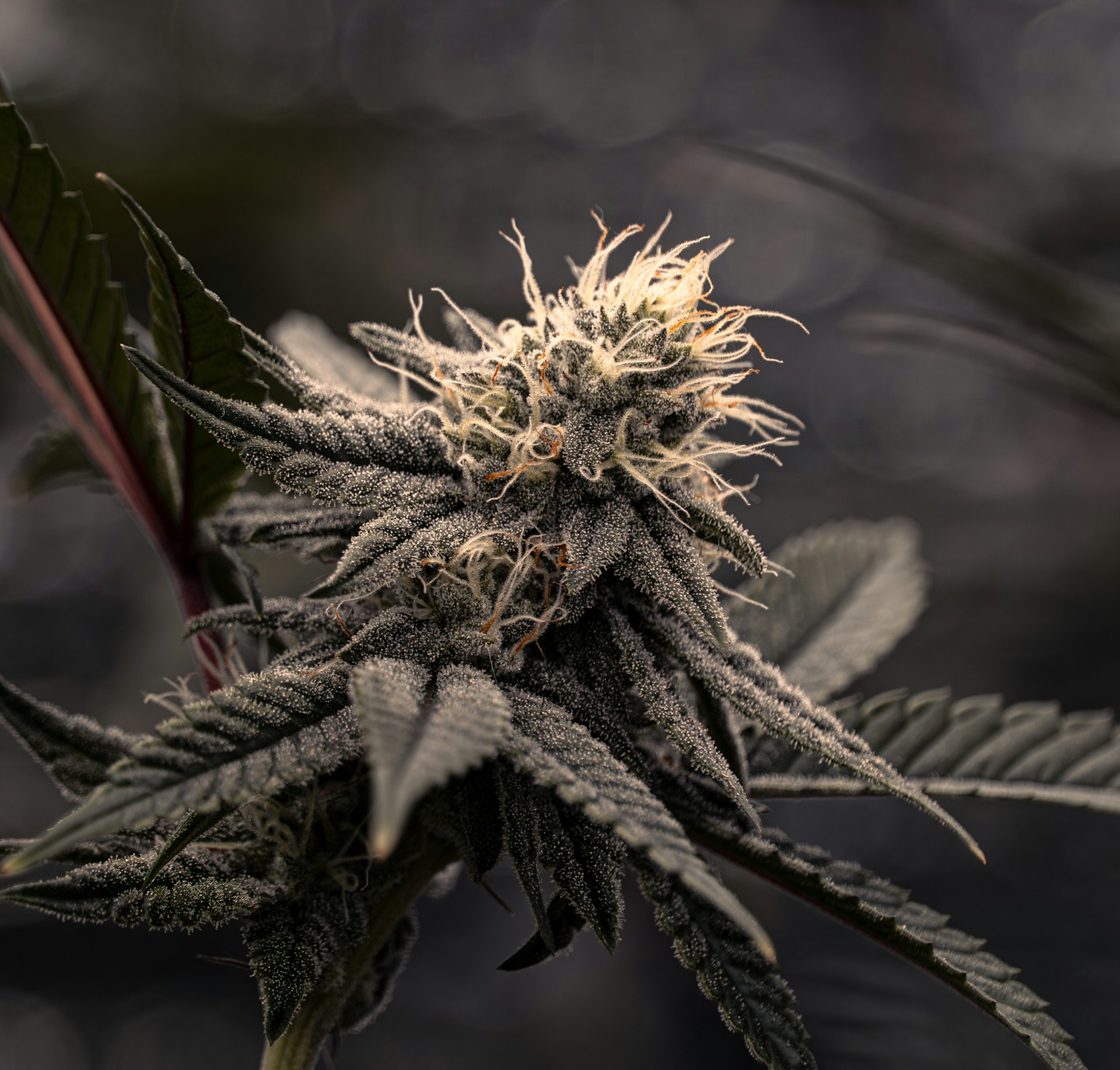
The main cannabinoid that gets you high. It acts on CB1 receptors in the brain and nervous system.
Does not get you high. The FDA has approved a purified CBD drug (Epidiolex) for certain seizure disorders.
Sources
The 'mother cannabinoid'. The plant starts with CBG and converts it into THC, CBD, and others as it grows.
Sources
Forms as THC ages and is exposed to air, heat, and light. Often associated anecdotally with sleepiness, though human research is still limited.
Sources
A minor cannabinoid that does not get you high. Early research is looking at anti-inflammatory and nerve-related effects.
03 · Terpenes
Terpenes are the aromatic compounds that give cannabis, and most plants, their smell and flavor. They're a big part of why two strains with the same THC% can feel completely different.
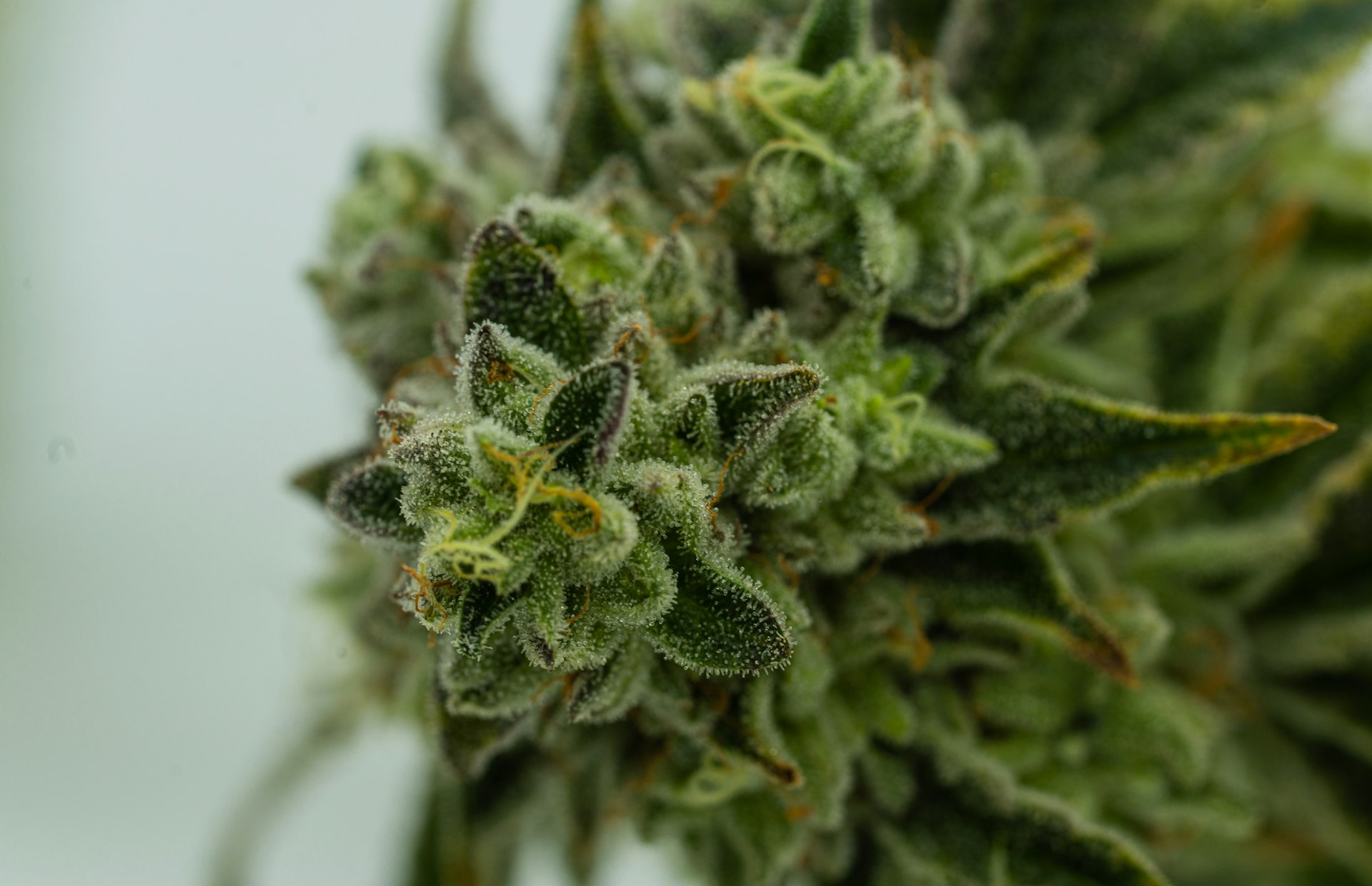
Often the most common terpene in cannabis. Early research suggests it can feel calming and heavy in the body.
The bright citrus smell in lemon peels. Often linked with lifted mood and stress relief.
Sources
That fresh pine forest smell. Often associated with feeling alert and clear-headed.
Sources
The same floral note that makes lavender feel soothing. Often linked with calm and better sleep.
Sources
Unusual for a terpene: it can interact with the body's CB2 receptor, which is why it's sometimes called a 'dietary cannabinoid'.
Sources
The same earthy note found in hops. Often described as grounding and mellow.
Sources
Less common overall, but a signature note in many uplifting strains.
Sources
A sweet herbal note plants use for defense. Shows up in smaller amounts across many strains.
Sources
A soft floral-woody scent. Often associated with a relaxed, easy feeling.
Sources
The gentle floral note in chamomile. Long used for its soothing feel.
Sources
Cool minty note like eucalyptus. Often feels fresh and clear-headed.
Sources
Sweet rose-like note common in essential oils. Feels pleasant and calming.
Sources
Reported effects describe traditional and anecdotal associations and preclinical findings; they are not medical claims. Individual response varies.
04 · Products
A guide to the main cannabis product formats and consumption methods. Onset and duration are typical ranges; individual response varies with dose, tolerance, metabolism, and what you've eaten.
Edibles
Flower
Vapes
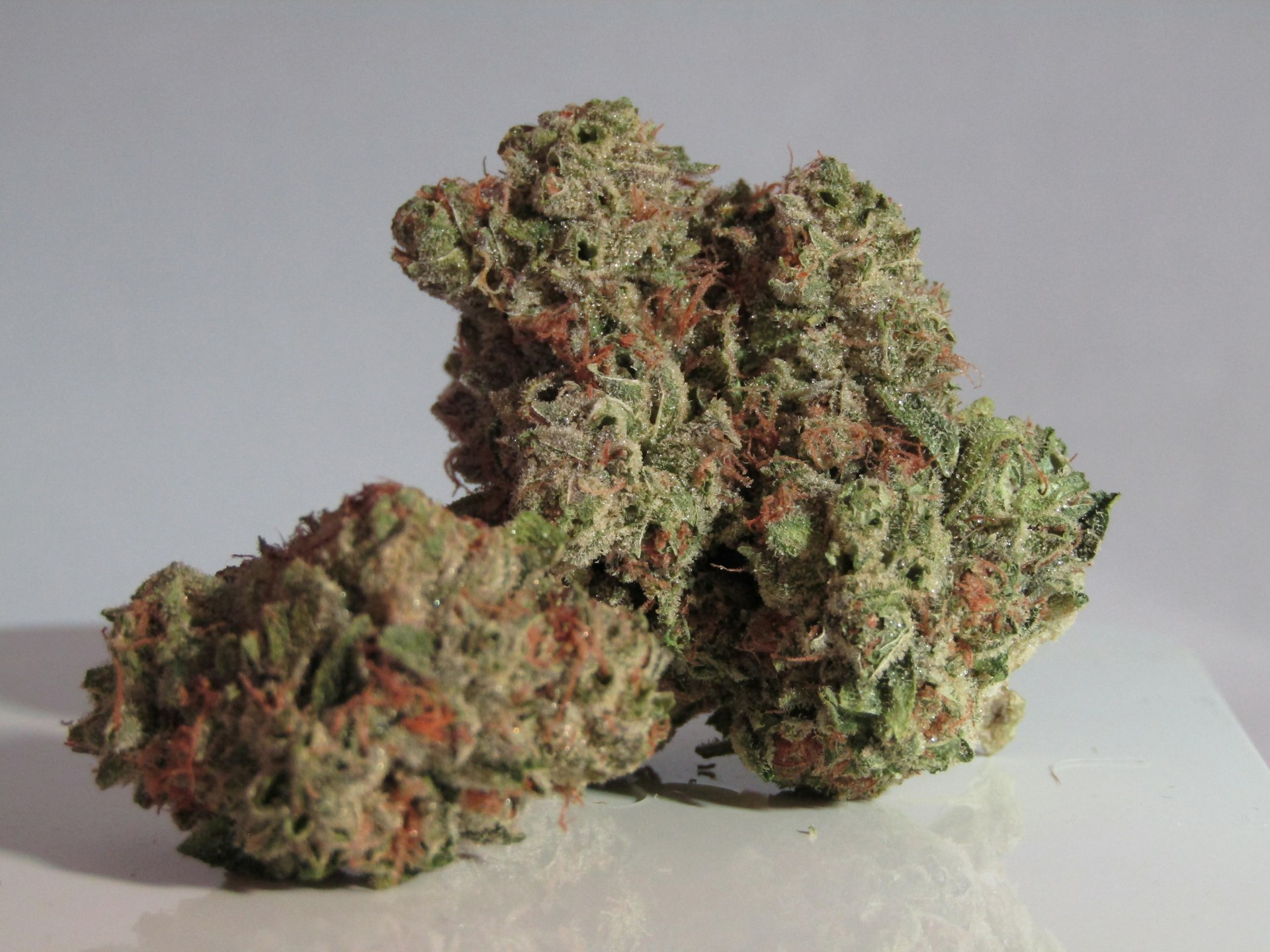
The dried, cured buds of the cannabis plant. Usually rolled into a joint, packed in a pipe, or used in a bong.
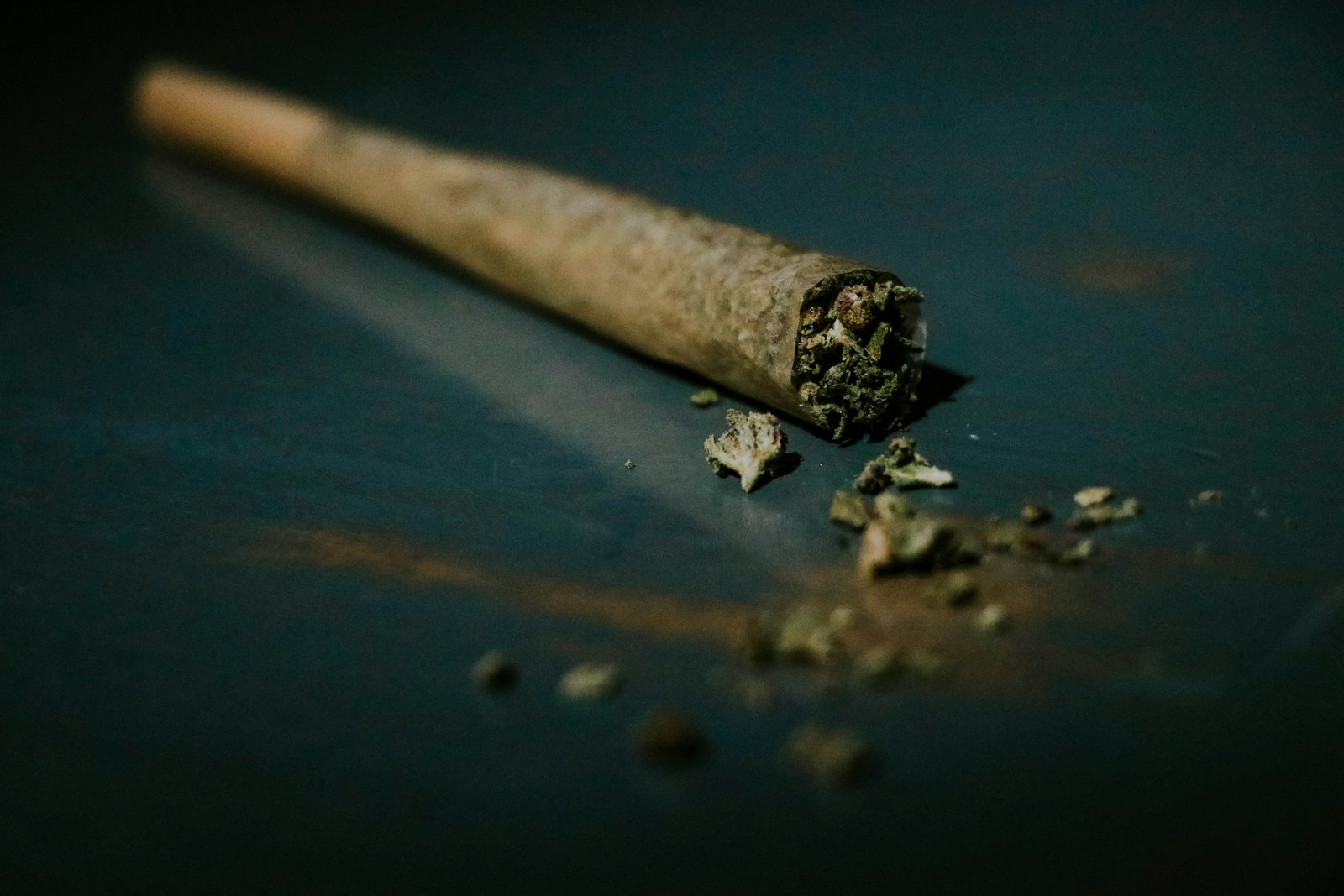
Ready-to-smoke joints packed with ground flower. Convenient, but potency depends on the flower and any added concentrate (infused pre-rolls).
Sources
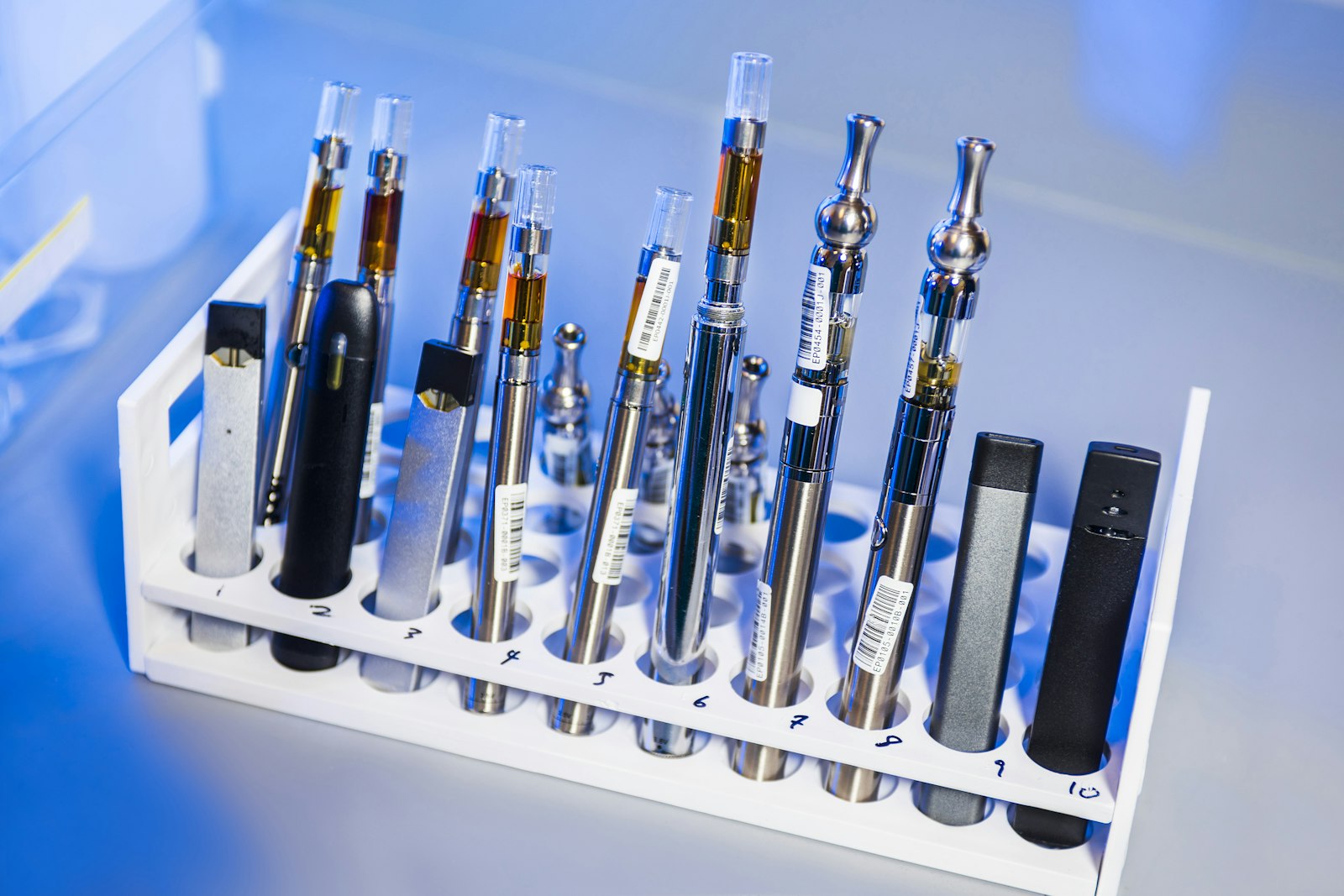
Concentrated cannabis oil in a cartridge that attaches to a battery. Only buy from licensed dispensaries; unregulated carts were linked to the 2019 EVALI lung-injury outbreak.
Extracts made by separating cannabinoids and terpenes from the plant. THC often ranges 60 to 90%+, so a small amount goes a long way.
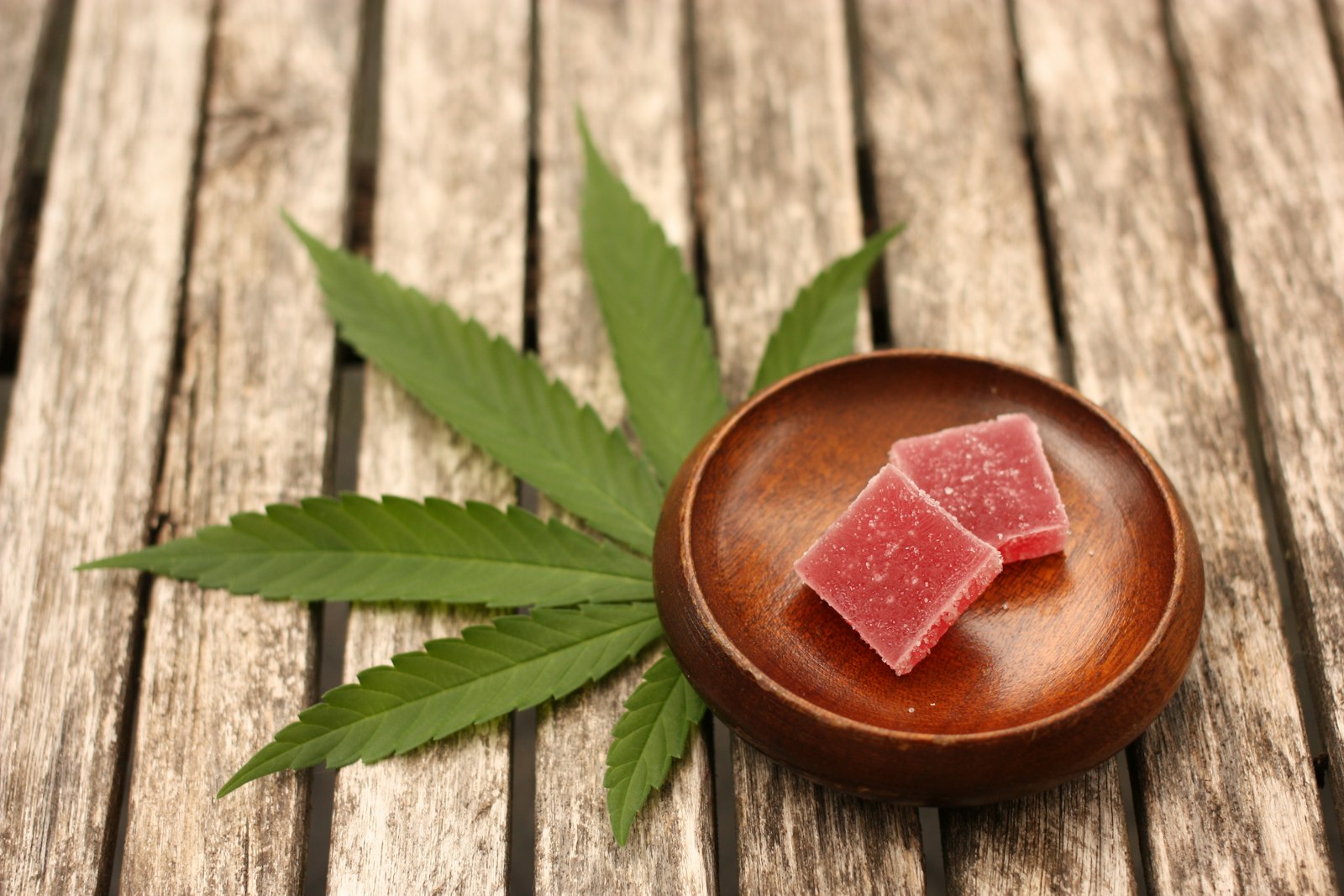
Food or candy infused with cannabis. The liver converts THC into 11-hydroxy-THC, which can feel stronger and longer than smoking. Start with 2.5 to 5 mg and wait before re-dosing.
Drinks infused with THC or CBD. Many use nano-emulsified cannabinoids that can kick in faster than a standard edible.
Liquid cannabis extract in a dropper. Held under the tongue for faster absorption, or added to food for a slower edible-style effect.
Pre-measured cannabis oil in a capsule. Behaves like an edible: slow onset, long duration, precise dose.
Applied to the skin for targeted relief. Standard topicals do not reach the bloodstream in meaningful amounts and are not intoxicating.
Adhesive patches that deliver cannabinoids through the skin into the bloodstream. Unlike topicals, transdermal patches can be intoxicating.
Only purchase from licensed dispensaries. Unregulated products can contain pesticides, heavy metals, or additives not disclosed on the label.
05 · Facts
Your body has its own cannabinoid system. It uses receptors (CB1 and CB2) and natural messengers to help balance mood, appetite, pain, sleep, and immune response.
The whole mix of cannabinoids and terpenes in a strain shapes how it feels, not just the THC number on the label.
Smoked or vaped cannabis kicks in within minutes and usually lasts 1 to 3 hours. Edibles can take 30 minutes to 2 hours to hit and last 4 to 8+ hours because the liver processes them differently.
Sources
If you are new or coming back after a break, start with 2.5 to 5 mg of THC in an edible, wait until it fully kicks in before taking more, and don't mix with alcohol.
Sources
Cannabis impairs reaction time, coordination, and judgment. Driving while impaired is illegal and dangerous regardless of legality.
The CDC recommends against using cannabis during pregnancy or breastfeeding because of possible effects on the baby's development.
Sources
Adult-use cannabis is legal in many US states and territories. You must be 21+ to buy, possess, or consume where allowed, with limits on how much you can carry and where you can consume.
Sources
06 · Safety
DankPickz is for adults 21+ in legal cannabis markets. Nothing on this page is medical advice. Talk to a licensed healthcare provider about your individual situation.
Primary sources used across this page